

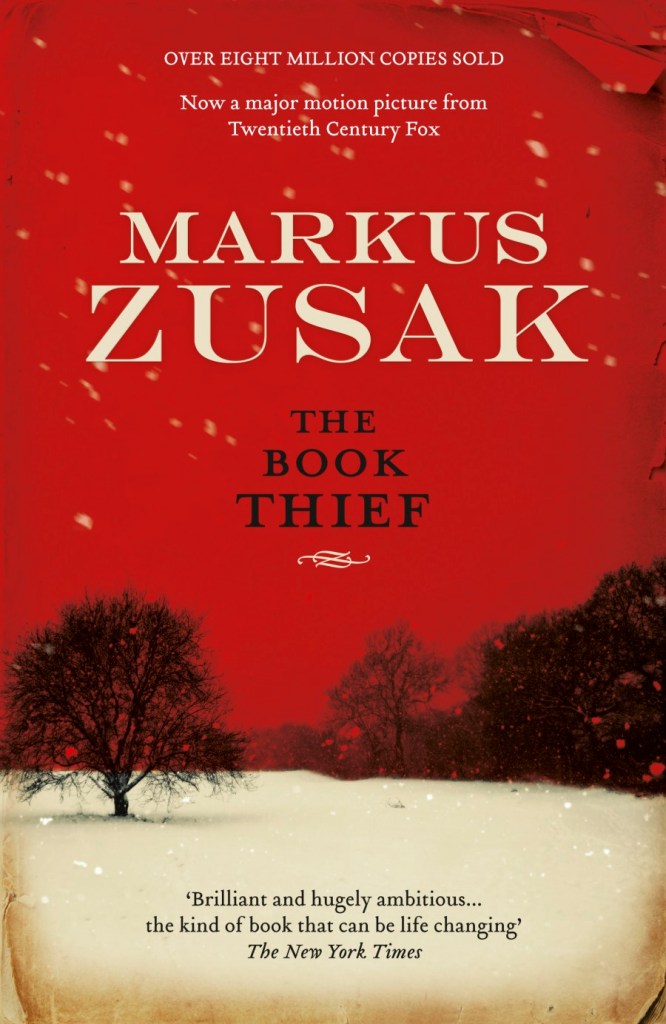
There are many fictional books set in World War II, and many tell incredible stories of endurance and hardship. Markus Zusak’s “The Book Thief” is no exception. The protagonist Liesel, a young German girl, deals with a devastating loss and provides an innocent perspective of the war. Her new found love affair with books triggers acts of book thievery, taking her on adventures and cultivating new friendships with the most unexpected companions.
Liesel befriends a Jewish man whom her foster family hiding in the midst of the war. An incredible bond is formed, with her world opening up and allowing her imagination to run wild. Despite the Fuhrer’s heavy propaganda against the Jewish population, Liesel’s innocent mind displays the innate compassion that humans are capable of. This demonstrates the extent that environmental influences have on our perception of others.
Zusak narrates the story from an omniscient perspective. At times I felt his narration was from an angel’s viewpoint or an objective outsider observing from a distance. It is possible that I may have misinterpreted his intentions here, but appreciated being left wondering. I enjoyed his writing style as it was exciting with the use of vivid similes and metaphors instead of merely spelling out the situation. His short and succinct sentences made for an easy read.
Another influential relationship is one that Liesel develops with the Mayor’s wife and establishes a connection with her personal library. This library was instrumental in Liesel’s thievery, and uncovered new worlds within the books. It helped her reading progress and provided a sense of escapism during the atrocities of WWII. As an avid non-fiction reader myself, it is a further reminder of the crucial role that fiction books play in one’s development.
Other than being an enjoyable read, it was intriguing to see the war from a different perspective. By imagining what it would have been like living as Liesel, families were split and civilians were subjected to an oppressive regime, one can recognise traumatic impacts on children. Although this book is fictional, I would encourage you to appreciate this innocent perspective on life during WWII, as Zusak has done an incredible job of transporting you to that period.
Are you interested in reading this book?
 Books for Thought