

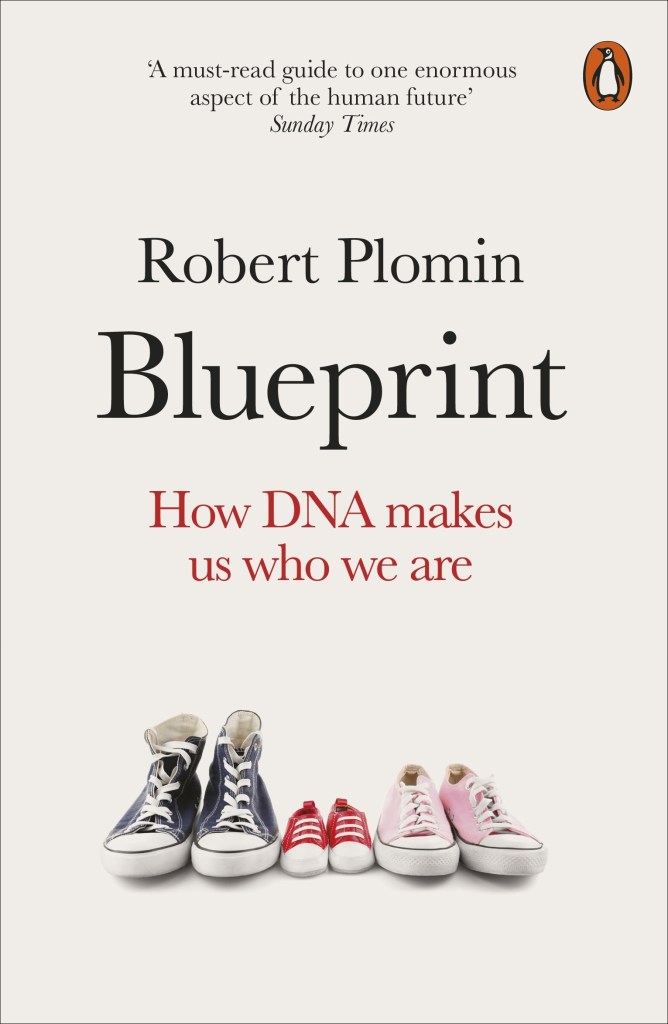
Nature or nurture, genetics or environment, which one is it? The past few decades have seen exponential growth in genome sequencing research, which ultimately determines the degree which genetics plays in defining us. Robert Plomin is a psychologist and geneticist who explored the role genetics plays in psychological traits in his book “Blueprint: How DNA Make Us Who We Are”. Plomin draws closer to clarifying the nature vs nurture debate, and presents the reality of a ‘fortune teller’ known as DNA.
Plomin’s book explores the important role that genetics plays in life, and at what stages of life it has the greatest effect. It is evident that genetics determines how we react to certain situations. However, it is our environment that presents opportunities for our genetic traits to be triggered and displayed at varying levels. His interesting take on the role of both nature and nurture, and the way they work together provokes thought for how we can influence our future.
‘Abnormal is normal’. Modern medicine suggests that an individual is either diagnosed with a psychological issue or not, but Plomin suggests that everyone is prone to these issues. Plomin proposes that everyone is predisposed to psychological issues such as depression or schizophrenia at a certain level. However, it is a combination of their DNA and environment that will determine the impact this has on their lives. Plomin argues that everyone has symptoms of certain psychological problems, but an individual is only diagnosed and then classed as ‘abnormal’ when they cannot function within society. Plomin calls for a change in medical terminology by using a spectrum to diagnose individuals.
To know or not to know? Research is nearing closer to how likely we will have psychological issues such as schizophrenia, depression or learning difficulties, even when in the uterus. While this knowledge can be useful to implement preventative measures, it also raises social and ethical dilemmas. Although these preventative care measures could benefit individuals, knowing this information at a young age could in fact have negative effects.
Genetics is engrained in everyone, and the ability to determine our future through DNA will eventually be available whether we like it or not. Plomin’s book requires a level of knowledge to completely comprehend the emerging research, but you can achieve a high level understanding without prior biology education. Plomin discusses the effects of this powerful technology, and objectively presents the positive and negative impacts to human’s physical and psychological wellbeing. If you are interested in learning more about the future of genetics, I would recommend ‘Blueprint
Are you interested in learning more by reading this book?
 Books for Thought